Blessed Farmhouse: A Font Duo for Authentic Craft Projects
The Warmth of Handcrafted Style
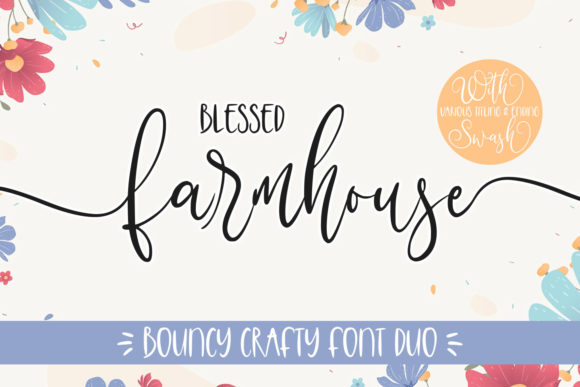
Finding the right typeface for a creative project often feels like searching for a specific tool in a cluttered workshop. You need something that not only looks good but also carries the right personality for the task. Blessed Farmhouse enters this space as a bouncy craft font duo, designed to bridge the gap between professional polish and handmade charm. It’s not just another display font; it’s a pair of styles working together to create a cohesive, friendly voice.
At its core, this typeface is built for makers. The primary style leans into a handwritten font aesthetic, with letters that have a slight irregularity and gentle bounce, mimicking the natural flow of a pen on paper. The accompanying style, often a complementary serif font or a cleaner sans serif font, provides structure and readability. This duo approach is practical. It allows a designer to establish visual hierarchy without hunting for a matching typeface from a different family. The overall impression is approachable, warm, and intentionally imperfect in the best way—perfect for projects that need to feel personal and crafted.
Where This Font Duo Truly Shines
The true test of any premium font is its application. Blessed Farmhouse proves its worth across a surprisingly broad range of projects, particularly those targeting audiences who value authenticity and craftsmanship.
For brand identity, especially for small businesses in the lifestyle, artisanal food, or home décor sectors, this typeface is a natural fit. Imagine a local bakery’s logo using the bouncy script for its name, with the companion style for its tagline. It immediately communicates a sense of homemade quality and care. In packaging design, the font duo can guide the eye from product name to description, creating a story on the label that feels genuine and trustworthy.
Beyond branding, its strengths are evident in editorial design and social media graphics. A blogger crafting a recipe post can use the script for headings to draw readers in, while the cleaner style ensures the ingredient list remains legible. For social media, the font’s personality helps content stand out in a crowded feed, making quotes, announcements, and promotional posts feel more engaging and less corporate. It’s also a powerhouse for web design elements like call-to-action buttons or featured quotes, where a touch of warmth can increase user connection.
Practical Guidance for Using Blessed Farmhouse
Choosing a font is a strategic decision. Here’s how to evaluate if Blessed Farmhouse is the right creative font for your next project.
- Evaluate Project Fit: Does your project aim for a friendly, artisanal, or vintage-modern vibe? This font excels in those areas. It’s less suited for ultra-corporate or highly technical contexts where a neutral sans serif font might be more appropriate.
- Test Font Pairings: While it’s a duo, you can still pair it with other typefaces. The companion style within Blessed Farmhouse often works well with simple, geometric sans serifs for body text if you need more extensive writing. Always test pairings at the size they’ll be used to check for visual harmony.
- Review Included Styles: Check what’s included with the commercial font license. A good font duo will often come with multiple weights, alternates, or stylistic sets. These extras can give you more flexibility to customize the look and avoid repetitive letterforms, which is crucial for logo design and larger text blocks.
- Prioritize Readability: The bouncy, handwritten style is best used for headlines, logos, and short bursts of text. For longer paragraphs or critical information, rely on the companion style or a neutral body font. Always print a test page or view on multiple screens to ensure legibility.
- Understand the License: For any project that will be sold or used commercially—from marketing materials to product packaging—a clear commercial font license is non-negotiable. Ensure the license covers your intended use, whether for physical goods, digital products, or client work.
Think of Blessed Farmhouse as a specific tool in your design assets toolkit. It’s not a universal solution, but when applied to the right project—like a heartfelt greeting card, a rustic wedding invitation, or the branding for a farm-to-table restaurant—it can elevate the work from merely functional to genuinely resonant. It helps build a visual language that speaks of quality, care, and a human touch, which is exactly what many audiences are looking for today.