Flying Heart Tattoo: A Creative Font for Bold Ideas
There are times when a project calls for a voice that feels personal, a little rebellious, and unmistakably human. You need something that stands apart from the clean, corporate sans serif fonts that dominate so much of our visual landscape. This is precisely where a typeface like Flying Heart Tattoo comes into the picture. It’s not just a collection of letters; it's a statement piece, a display font with a distinct personality that can instantly inject energy and character into your work.
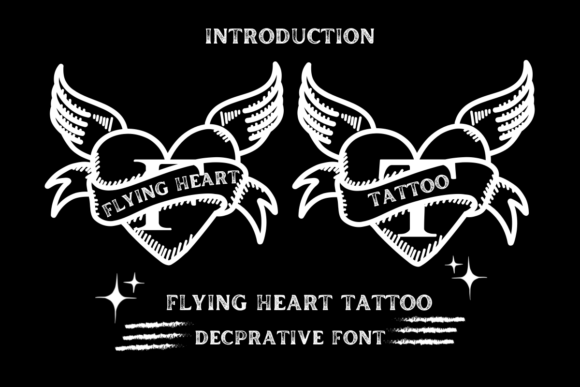
At its core, Flying Heart Tattoo is a script font with a modern edge. It draws inspiration from the fluid, confident lines of hand-lettering and tattoo artistry, but it does so with a clarity that makes it surprisingly versatile. The letterforms often feature a slight slant, suggesting forward motion, and are connected with elegant, flowing strokes. You'll notice a mix of thick and thin lines within the characters, which gives the font a dynamic, handcrafted feel rather than a static, machine-made appearance. This isn't a delicate, formal calligraphy script; it's bolder, with a confident personality that’s expressive without being chaotic. It’s a premium font designed to capture attention and convey a sense of authenticity and creative flair.
Where This Typeface Truly Shines
Understanding a font's personality is one thing; knowing where to apply it is another. The strength of Flying Heart Tattoo lies in its ability to act as a powerful accent. It’s rarely the right choice for long blocks of body copy, but it excels in roles where it can make a memorable impact.
In brand identity and logo design, it’s a fantastic option for businesses that want to project a creative, artisanal, or edgy image. Think of a boutique coffee roaster, an independent record label, a custom motorcycle shop, or a modern salon. The font can become the core of a visual identity that feels personal and rooted in craftsmanship. For packaging design, it can elevate a product on a crowded shelf. Imagine it used for the name of a small-batch hot sauce, a line of craft cocktails, or a handmade soap brand. It immediately tells a story of care and creativity.
For editorial design and publishing, this creative font works beautifully for headlines and pull quotes in magazines, blogs, and book covers, especially in genres like contemporary fiction, lifestyle, or music. It adds a layer of visual interest that a standard serif font or sans serif font can't provide. In the digital realm, it’s a standout choice for social media graphics, hero banners on a web design project, or even as a stylized font for a podcast logo. It has the visual punch needed to stop a user from scrolling.
The Strategic Role of a Distinctive Font
Choosing a typeface is a strategic decision that influences how your audience perceives your message. Flying Heart Tattoo can be a powerful tool in your design assets kit when used with intention. Its primary influence is on brand perception. It helps build an identity that is approachable, creative, and confident. When a customer sees this font, they don’t just read a name; they get a feeling about the brand's personality.
This kind of modern typography also plays a crucial role in visual hierarchy. By using Flying Heart Tattoo for your main headline or a key call-to-action, you create an immediate focal point. The eye is naturally drawn to its unique form, allowing you to guide the viewer's attention exactly where you want it. This is especially useful in layouts with a lot of information, where you need to create a clear entry point. However, this is where readability becomes a key consideration. Because it's a detailed display font, its legibility can decrease at smaller sizes. It’s built for impact, not for fine print. Always test it at the intended size to ensure every letter is clear.
Practical Advice for Implementation
Ready to use Flying Heart Tattoo in your next project? Here’s how to approach it effectively.
Evaluating the Fit: Before you commit, consider your project's overall tone. Does it call for a touch of rebellion, artistry, or heartfelt personality? If your brand voice is strictly corporate, formal, or minimalist, this might not be the right match. But if you're aiming for a human, creative, or expressive vibe, it could be perfect.
Mastering the Font Pairing: This is perhaps the most important step. A strong font pairing is what makes a design feel polished. The expressive nature of Flying Heart Tattoo demands a calm, stable partner. Pair it with a simple, geometric sans serif font like Montserrat or Lato for body text. This contrast allows the script to be the hero while ensuring the supporting text is highly readable. Alternatively, pairing it with a classic, sturdy serif font can create a sophisticated, editorial look.
Checking the Font Files: A well-crafted commercial font often comes with more than just the basic alphabet. Look for OpenType features. Does it include stylistic alternates, swashes, or ligatures? These extra characters can give you more creative control, allowing you to customize the look of specific words to make them even more unique.
Licensing for Success: Always be mindful of the font's license. If you're using it for a client's logo, a product you sell, or a website that generates revenue, you need to ensure you have the proper commercial font license. This protects both you and your client and is a standard part of professional design work.
Ultimately, Flying Heart Tattoo is a tool for expression. It’s a typeface that understands the power of a personal touch in a digital world. By using it strategically and pairing it wisely, you can add a layer of authenticity and creative energy that resonates with your audience and makes your work stand out. It’s a reminder that sometimes, the best way to connect is to leave a little bit of your heart in the design.