Handmade Embroidery: A Font with a Personal Touch
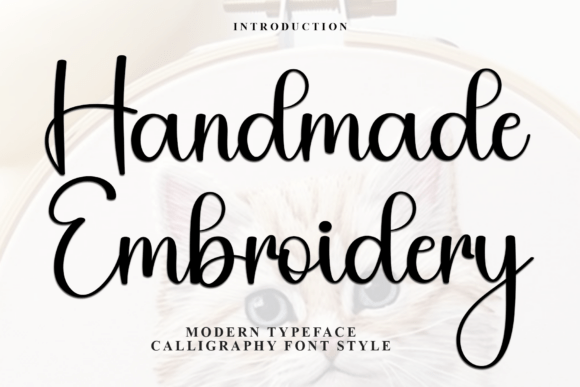
Finding the right typeface for a project often feels like searching for a specific personality. You need something that communicates the right mood instantly, without a lot of explanation. Handmade Embroidery is a creative font that does exactly this. It’s a casual, friendly typeface with a distinct hand-drawn aesthetic that feels both personal and approachable. The round, playful strokes give it a relaxed vibe, making it a strong choice for designs that need to connect on a human level.
Understanding the Visual Character of Handmade Embroidery
At its core, Handmade Embroidery is a display font designed for impact, not long-form reading. Its personality comes from its letterforms, which mimic the look of stitched or embroidered text. You'll notice slight irregularities and soft, rounded edges that avoid the rigid perfection of a standard sans serif font or the formality of a classic serif font. This gives it an organic, crafted quality.
Think of it as a handwritten font with a specific theme. While many script fonts aim for elegant cursive, Handmade Embroidery leans into a more tactile, craft-inspired style. This makes it incredibly versatile for projects where you want to convey warmth, creativity, and authenticity. It’s a premium font that brings a unique texture to your design assets, standing apart from more common typographic choices.
Where This Font Truly Shines: Practical Applications
The real value of a creative font like this is in its application. Because of its friendly and approachable nature, Handmade Embroidery excels in contexts where you're speaking directly to an individual. It’s perfect for personal projects like greeting cards, custom t-shirt designs, or scrapbooking layouts. For small business owners, it can add a handcrafted feel to product labels, especially for artisan goods, baked goods, or boutique skincare.
In the digital space, its charm translates well to social media graphics. A quote card, a sale announcement, or a story highlight cover using this font can feel more personal and engaging than a standard corporate typeface. It’s also an interesting option for web design, particularly for headings or call-to-action buttons on sites for creative agencies, wedding planners, or indie blogs. The key is using it strategically to draw attention without overwhelming the viewer.
Building Brand Identity with a Crafted Typeface
Choosing a typeface is a foundational decision in brand identity. If your brand's voice is friendly, creative, and hands-on, Handmade Embroidery could be a cornerstone of your visual language. Imagine a bakery using it for its logo and menu headers, or a children's book author using it for their title pages. The font immediately sets an expectation of a certain kind of experience—one that is personal and thoughtfully made.
However, consistency is crucial. Using this font across your logo design, website, and packaging creates a cohesive brand world. It tells a story before a customer even reads a word. This is where a commercial font license becomes important, ensuring you can legally use the typeface across all your commercial projects, from digital ads to printed packaging design.
Working with Handmade Embroidery: Tips and Considerations
Integrating any new typeface into your workflow requires a bit of practical testing. First, consider font pairing. A highly stylized display font like Handmade Embroidery works best when balanced with a clean, neutral companion. Pair it with a simple sans serif font for body text to ensure readability. A combination like Handmade Embroidery for headlines and a font like Open Sans or Lato for paragraphs creates a clear visual hierarchy that guides the reader's eye.
Always test the font in the context of your actual project. How does it look at the size you need? For editorial design, like a magazine headline, it might need to be larger to retain its character. For a small icon on a business card, some of the finer details might get lost. Check the included styles; does it come with alternates or a full set of punctuation? The note that it is PUA Encoded is significant, as it means all the decorative glyphs are easily accessible in programs like Adobe Photoshop, Adobe Illustrator, and Canva, even without advanced OpenType features.
Finally, think about your audience. For a tech startup, this font might feel out of place. But for a community-focused brand, a craft workshop, or a personal project, it can be the perfect choice to enhance audience engagement. The goal is to choose a font that feels like a natural extension of your message, making your design not just seen, but felt.